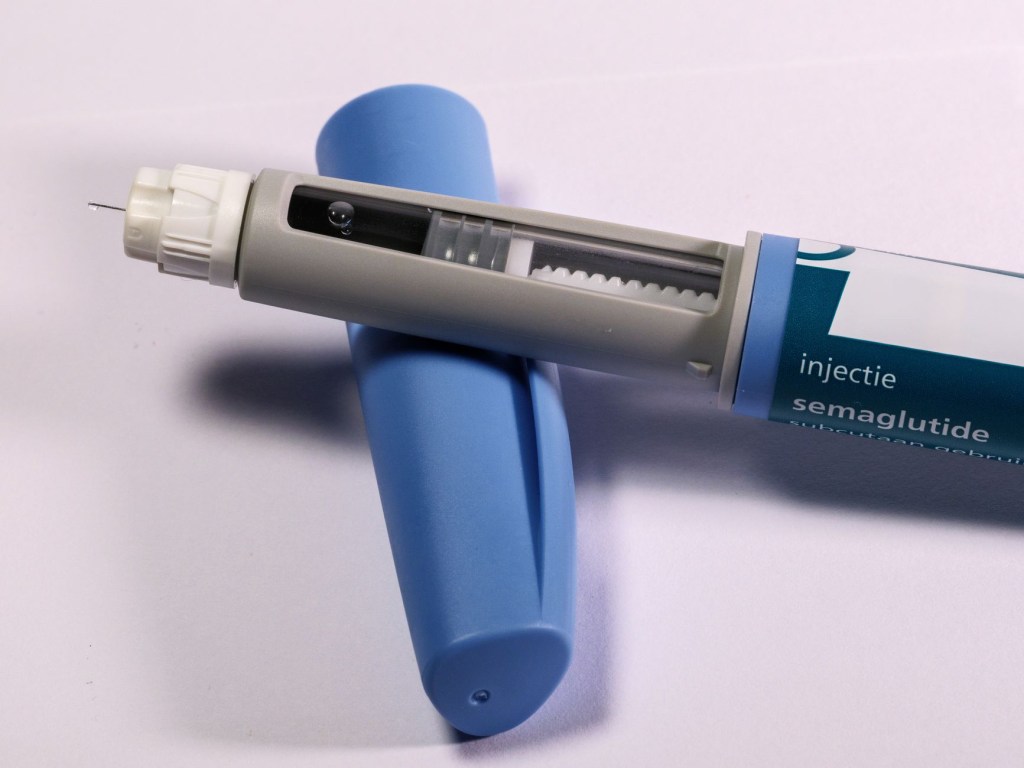
ATLANTA — The arrival of oral glucagon-like peptide-1 receptor agonists — including high-dose oral semaglutide and small-molecule non-peptides like orforglipron — marks a major structural shift in metabolic care. By eliminating needle apprehension and lowering manufacturing complexity, oral options significantly expand patient access and support earlier medical intervention for obesity and type 2 diabetes.
However, health system leaders and clinicians emphasize that pharmacotherapy alone cannot solve chronic metabolic disease. While oral GLP-1 pills suppress appetite and delay gastric emptying, long-term therapeutic durability, lean muscle preservation, cardiometabolic risk mitigation and eventual drug de-escalation depend heavily on structured lifestyle medicine.
The Evolving Landscape of Oral GLP-1 Therapeutics
Oral GLP-1 therapies lower barriers to treatment initiation, but they present distinct operational and clinical trade-offs compared with weekly subcutaneous injections.
Oral Peptide GLP-1s (Oral Semaglutide)
Mechanism: Modified peptide paired with an absorption enhancer (sodium N-(8-[2-hydroxybenzoyl] amino) caprylate, or SNAC).
Administration: Requires strict adherence to a fasting state, taken with 4 ounces of plain water at least 30 minutes before any food, drink or other oral medications.
Primary advantage: High patient acceptability without needles.
Clinical considerations: Increased risk of nonadherence due to strict morning timing restrictions.
Small-Molecule Oral GLP-1s (Orforglipron)
Mechanism: Non-peptide small molecule.
Administration: Flexible once-daily dosing with or without food or water restrictions.
Primary advantage: Simplified daily routine and a highly scalable synthetic manufacturing process.
Clinical considerations: Requires careful dose titration to manage gastrointestinal side effects.
Subcutaneous Injections (Semaglutide, Tirzepatide)
• Mechanism: Synthetic peptide or dual GLP-1/GIP receptor agonist.
• Administration: Weekly injection with no daily food or fluid timing rules.
• Primary advantage: High bioavailability and proven long-term compliance simplicity.
• Clinical considerations: Injection anxiety among some patients and complex cold-chain distribution requirements.
• Clinical Synergy: Why Pharmacotherapy Demands Lifestyle Medicine
Deploying GLP-1 pills without lifestyle intervention exposes patients and health systems to significant clinical risks, including accelerated muscle loss, metabolic rebound upon treatment discontinuation and poor nutritional quality.
1. Sarcopenia and Lean Mass Retention
Clinical trial data show that 20% to 40% of weight lost through GLP-1 receptor agonist therapy can come from lean muscle mass. Combining oral GLP-1 titration with progressive resistance training and target protein intake of 1.2 to 1.6 grams per kilogram of body weight helps preserve lean tissue and basal metabolic rate.
2. Managing Gastrointestinal Tolerability
The most common adverse events associated with oral GLP-1 medications involve gastrointestinal distress, including nausea, constipation and delayed gastric emptying. Lifestyle medicine protocols — focusing on adequate hydration, gradual fiber titration, micronutrient density and deliberate eating speeds — reduce early treatment dropouts during dose escalation.
3. Long-Term Maintenance and Tapering Strategies
Lifelong coverage for high-cost GLP-1 medications creates major financial pressure for health systems, employers and insurers. Lifestyle medicine interventions build durable health habits — such as circadian alignment, whole-food nutrition and regular physical activity — that enable dose reductions or maintenance-phase tapering without immediate weight regain.
Health System Delivery Model and Clinical Workflow
To implement this integrated approach effectively, health systems should establish a standardized four-step clinical pathway:
1. Baseline Assessment and Risk Stratification
Evaluate body composition using dual-energy X-ray absorptiometry (DEXA) or bioelectrical impedance analysis rather than relying on body mass index alone. Assess baseline dietary quality, gut health and medication schedules that might conflict with oral GLP-1 absorption, such as levothyroxine or proton-pump inhibitors.
2. Therapeutic Initiation and Co-Prescribing
Prescribe oral GLP-1 pills with explicit written and verbal instructions regarding meal timing and administration rules. Simultaneously enroll the patient in a structured lifestyle program that includes registered dietitians, exercise physiologists and digital health coaches.
3. Titration Phase (Months 1 Through 3)
Monitor gastrointestinal tolerability weekly through digital check-ins or nurse navigators. Adjust protein intake and hydration to offset reduced appetite, and adjust medication doses based on individual gastrointestinal tolerance rather than rigid calendar schedules.
4. Maintenance and Off-Ramps (Month 6 and Beyond)
Re-evaluate lean body mass percentages and cardiometabolic markers, including hemoglobin A1c, lipid panels and blood pressure. Transition patients who achieve target metabolic health toward lower maintenance doses or lifestyle-only continuation plans.
Strategic Recommendations for Health System Leaders
• Establish Multidisciplinary Metabolic Clinics: Unify endocrinologists, lifestyle medicine physicians, registered dietitians and exercise specialists under a single coordinated care team.
• Deploy Remote Patient Monitoring: Use connected body-composition scales and digital tracking platforms to monitor muscle-to-fat loss ratios in real time.
• Align Formulary and Coverage Models: Work with health plans and self-insured employers to tie coverage of oral GLP-1 medications to ongoing participation in accredited lifestyle medicine programs.
 Suite South Co.
Leave a comment