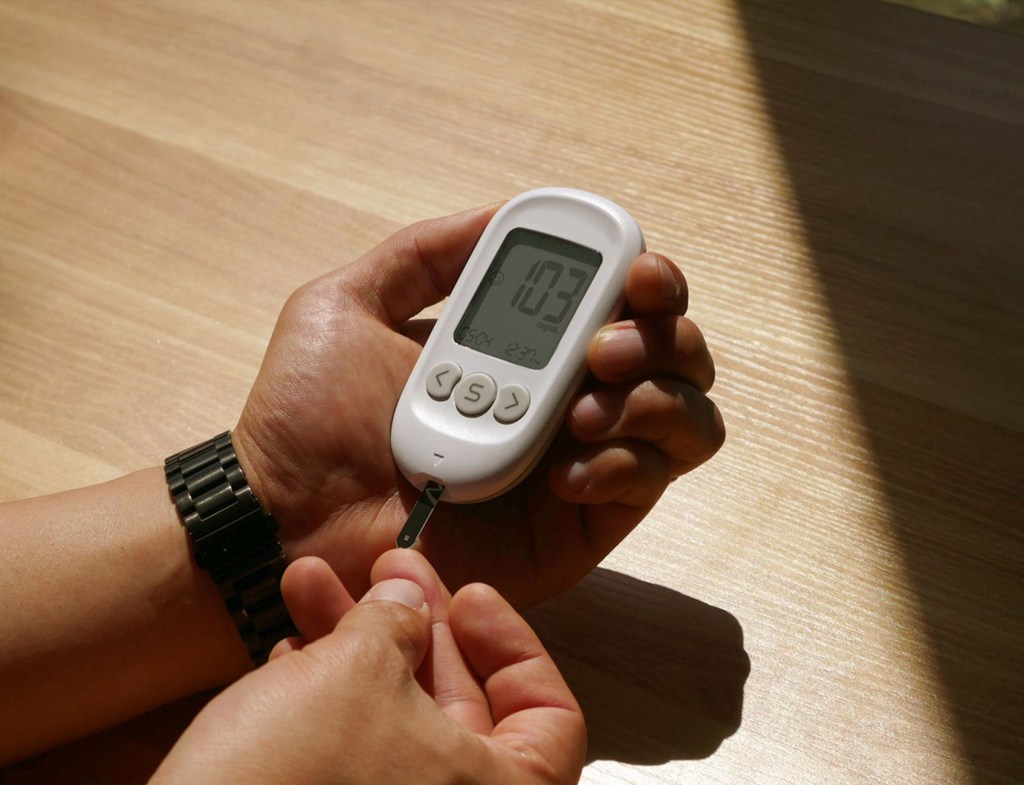
The National Diabetes Prevention Program (National DPP) is a CDC-led, evidence-based public health initiative designed to help adults with prediabetes or a high risk of developing type 2 diabetes prevent or delay the onset of the disease through sustainable lifestyle changes.
Congress authorized the CDC to establish the National DPP as a public-private partnership designed to create a nationwide system for delivering an evidence-based lifestyle change program. The initiative brings together health care organizations, community organizations, employers, insurers, faith-based organizations, and government agencies to address type 2 diabetes prevention at the population level. (CDC Stacks)
Why the National DPP Matters
Prediabetes is a major public health concern. According to current CDC materials, approximately 115.2 million American adults—more than 2 in 5 adults—have prediabetes, and approximately 8 in 10 adults with prediabetes do not know they have it. (CDC)
Prediabetes creates an important window for prevention. Individuals can take action before type 2 diabetes develops by addressing modifiable risk factors such as physical inactivity, nutrition, and excess weight.
The National DPP provides a structured way to turn that opportunity into sustained behavior change rather than relying solely on individual advice to “eat better” or “exercise more.”
What Is the Lifestyle Change Program?
The core component of the National DPP is the year-long Lifestyle Change Program. Participants work with a trained Lifestyle Coach and follow a CDC-approved curriculum while receiving ongoing support from other participants. (CDC)
The program focuses on practical skills, including:
- Healthy eating and making sustainable nutrition changes
- Increasing physical activity
- Achieving and maintaining a healthy amount of weight loss
- Setting realistic goals
- Tracking progress
- Problem-solving barriers to behavior change
- Managing stress
- Building long-term habits
- Using peer and coach support to maintain progress
Programs can be delivered in person, online, through distance learning, or through combination formats, allowing participants to select an approach that fits their circumstances. (Diabetes Path to Prevention)
Evidence-Based Benefits
The National DPP is built around an intervention that has demonstrated a substantial reduction in the likelihood of developing type 2 diabetes. CDC describes the program as helping participants lower their chances of developing type 2 diabetes by more than half. (Diabetes Path to Prevention)
The program’s benefits extend beyond diabetes prevention. Participants develop skills that can support:
1. Diabetes prevention or delay
The primary goal is to prevent or delay progression from prediabetes to type 2 diabetes.
2. Weight management
Participants receive structured support for achieving and maintaining meaningful weight loss.
3. Increased physical activity
The program helps participants establish realistic and sustainable activity habits.
4. Improved nutrition behaviors
Rather than prescribing a single diet, the curriculum focuses on developing healthier eating patterns and practical decision-making skills.
5. Stress management and coping
Participants learn strategies for addressing stress and the challenges that can interfere with healthy behaviors. (CDC Stacks)
6. Long-term behavior change
The year-long structure provides considerably more support than a one-time educational intervention. Participants have repeated opportunities to practice skills, identify barriers, adjust goals, and build routines.
Why the Program Is Different
A key strength of the National DPP is its combination of standardization and community-based delivery.
The CDC’s Diabetes Prevention Recognition Program establishes standards for organizations delivering the National DPP Lifestyle Change Program. CDC recognition provides a mechanism for demonstrating that an organization can deliver the evidence-based program and meet requirements related to participant eligibility, program content, data collection, and reporting. (CDC)
This creates an important balance:
Standardized evidence + trained coaches + ongoing support + flexible delivery = scalable diabetes prevention.
The program can therefore be implemented across different settings while maintaining core program standards.
Who Can Benefit?
The National DPP is particularly relevant for adults who have prediabetes or are at increased risk for developing type 2 diabetes.
Potential referral and outreach populations include:
- Adults diagnosed with prediabetes
- Adults with risk factors for type 2 diabetes
- Individuals who would benefit from structured weight-management support
- People seeking to increase physical activity
- Individuals who have difficulty making lifestyle changes independently
- Employees participating in employer-sponsored health and wellness initiatives
- Community members who may have limited access to traditional health care-based prevention programs
The program can be particularly valuable when offered through trusted community settings, because prevention does not have to occur exclusively inside a medical office.
Organizational and Public Health Benefits
The National DPP also offers benefits beyond the individual participant.
For health care organizations, it creates a structured prevention resource to which eligible patients can be referred.
For employers, the program can function as a preventive health benefit that supports employee health and addresses a major chronic disease risk.
For community organizations, it provides an evidence-based framework for addressing diabetes risk within the populations they already serve.
For insurers and health systems, diabetes prevention can potentially reduce the future burden associated with progression to type 2 diabetes and its complications.
CDC specifically identifies community organizations, private insurers, employers, health care organizations, faith-based organizations, and government agencies as important partners in the National DPP. (CDC)
Key Takeaway
The National Diabetes Prevention Program represents a shift from treating diabetes after it develops to preventing or delaying diabetes before it occurs.
Its strength is not simply that it provides information about healthy living. It provides a structured, year-long behavior-change intervention supported by trained Lifestyle Coaches, an evidence-based curriculum, peer support, goal setting, and ongoing monitoring.
For individuals with prediabetes or elevated diabetes risk, the National DPP provides a practical pathway to reduce risk. For health systems, employers, insurers, and community organizations, it provides an established framework for investing in prevention at scale.
Bottom line: The National DPP is a nationally standardized, evidence-based prevention strategy that gives people the tools, support, and accountability needed to make sustainable lifestyle changes and significantly reduce their risk of developing type 2 diabetes.
 Suite South Co.
Leave a comment